Your Coffee Shop Doesn't Need an App (Probably): A Small-Business Reality Check
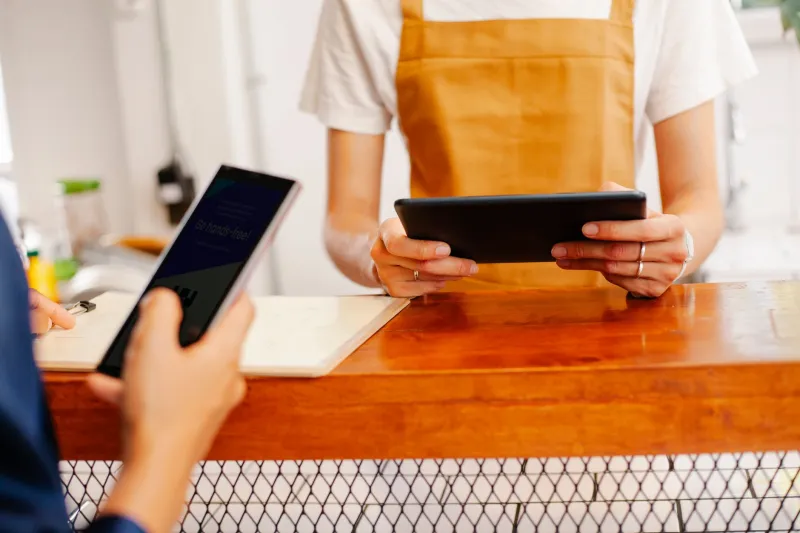
Walk down any Main Street in America and you'll find the same scene playing out: a local business owner, fresh off a sales call from an app development agency, staring at a quote for $30,000 worth of 'custom mobile engagement solutions.'
The pitch is seductive. Starbucks has an app. Chipotle has an app. The agency slides a mockup across the table showing the owner's logo on a sleek home screen with push notifications, mobile ordering, and a rewards program. 'Your customers are on their phones anyway,' the pitch goes.
Sometimes that pitch is right. Often, it's very, very wrong.
The Math Nobody Shows You
Let's talk numbers, because small businesses live and die by them.
A competent custom app from a US agency typically runs $25,000 to $75,000 upfront, plus $500 to $2,500 monthly for maintenance, server costs, and updates. Off-the-shelf white-label platforms drop the entry cost to a few hundred a month but lock you into someone else's roadmap.
Now the other side of the ledger: industry data consistently shows that the majority of small-business branded apps see single-digit adoption among existing customers, and most of those who download open the app a handful of times before it joins the digital junk drawer. For a coffee shop with 300 regulars, a $40,000 app works out to over $130 per customer just to break even — before a single latte gets sold through it.
Compare that to the alternatives: a Square loyalty program costs a fraction of that, works inside an app customers already have, and requires zero downloads.
When an App Actually Makes Sense
We're not here to say custom apps are always a boondoggle. There are real cases where they're a genuine competitive weapon:
You have real transaction volume. A gym with 2,000 members booking classes, or a fast-casual restaurant doing 400 lunch orders a day, has enough mobile-order revenue to justify the spend. Volume is the whole game.
You're solving a specific operational problem. A dry cleaner that eliminates phone-tag with in-app scheduling isn't buying vanity — it's buying labor savings that show up on the P&L.
Your customers have a habit to attach it to. Apps work when there's a repeat behavior: daily coffee, weekly class, monthly service. One-and-done businesses — a furniture store, a wedding photographer — have nothing for an app to latch onto.
When It's an Expensive Trophy
The failure pattern is remarkably consistent. The app launches, there's a burst of downloads from loyal regulars who want to support the business, and then usage falls off a cliff. Why? Because the app offers nothing the customer can't get faster another way.
If your 'app' is just your website squeezed onto a phone screen, you've built a slower bookmark. If your rewards program requires downloading an app when your competitor's works with a phone number, you've added friction in the name of engagement. And if the push notifications start flowing, congratulations — you've just given a local business permission to interrupt people, which is a quick way to turn fans into mute-buttons.
The Smarter Middle Path
Before writing a five-figure check, most Main Street businesses should exhaust the boring options:
-
Platform loyalty tools. Square, Toast, and Clover all offer rewards and ordering that live inside infrastructure your customers already use.
-
A genuinely good mobile website. Fast, tappable, easy ordering. For most local businesses, this captures 90% of an app's benefit at 5% of the cost.
-
SMS over push. Text reminders for appointments and deals get opened far more than app notifications and require no download.
-
A pilot budget. If you're convinced an app is right, start with a white-label solution for six months. If monthly active usage among your regulars tops 20–30%, then consider going custom.
The Bottom Line
An app is a tool, not a milestone. The businesses that win with custom apps treat them as operational infrastructure with measurable returns — orders taken, labor saved, visits increased. The ones that lose bought a logo on a home screen because a competitor mentioned they 'should get an app.'
Main Street doesn't need to out-tech the chains at their own game. It needs to pick the tools that fit the size of the fight.