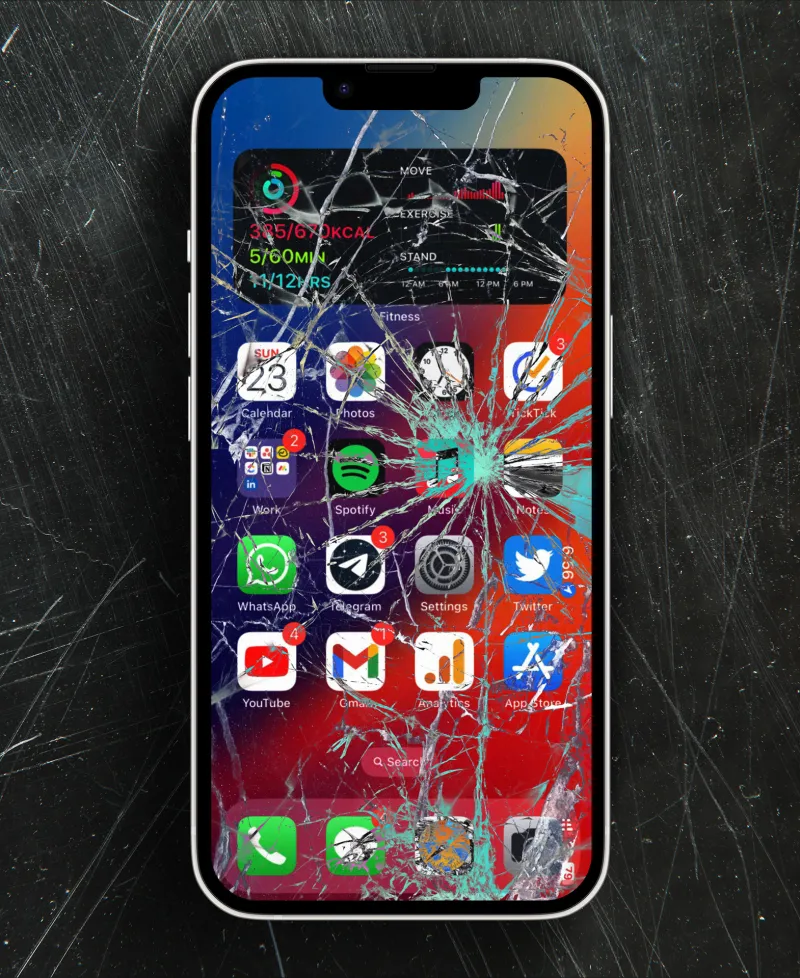
Ghost Apps: The Silent Clutter Rotting Away on Your Phone Right Now

Photo by Photo by Pathum Danthanarayana on Unsplash on Unsplash
Open your phone right now. Scroll past the first two pages of apps. Chances are, somewhere in that grid of icons, there's at least one app you haven't opened in over a year. Maybe it's a game you downloaded during a long flight, a restaurant loyalty app for a place that closed, or some productivity tool you swore would change your life back in 2021.
Now here's the uncomfortable question: do you actually know if that app still works? More importantly, do you know if it's still safe?
The mobile ecosystem has a graveyard problem. And unlike the apps that disappear from stores entirely, this particular crisis is invisible — sitting quietly on your device, doing nothing useful and potentially doing something harmful.
The Numbers Behind the Problem
Let's put some scale on this. There are currently over 3.5 million apps available across the major app stores, and analysts estimate that a significant chunk of them haven't received a meaningful update in more than two years. On the user side, research consistently shows that the average American has somewhere between 40 and 80 apps installed on their phone — and actively uses maybe a third of them.
That math adds up to a lot of dormant software sitting on a lot of devices.
The lifecycle of an app is a lot shorter than most people realize. A developer or startup launches with ambition, maybe pulls in some solid early downloads, then gradually loses momentum. Funding dries up. The team moves on. The founder pivots. And the app just... sits there. No updates. No bug fixes. No one minding the store.
What Actually Happens When an App Goes Unmaintained
Here's where it gets technical — but stick with us, because this part matters.
Modern apps don't live entirely on your phone. Most of them are constantly talking to remote servers: syncing data, pulling in content, verifying logins, serving ads. When a company shuts down or simply stops paying its hosting bills, those servers go offline. The app on your phone suddenly can't do half of what it was designed to do. You get error screens, spinning load icons, or just a blank interface staring back at you.
That's the annoying version. The dangerous version is subtler.
Operating systems evolve constantly. Apple pushes major iOS updates every fall. Google does the same with Android. These updates patch security vulnerabilities, tighten permissions frameworks, and sometimes fundamentally change how apps are allowed to behave. An app that was totally fine in 2020 might have gaps in 2025 — gaps that an unmaintained codebase will never close because no developer is around to close them.
Third-party libraries are another landmine. Most apps aren't built entirely from scratch; they use pre-built code libraries for things like analytics, payments, or social login. Those libraries get security patches too. An abandoned app is almost certainly running outdated versions of everything under the hood, and that outdated code is a known attack surface.
Security researchers have documented cases where dormant apps retained broad device permissions — access to location, contacts, microphone — long after the companies behind them dissolved. In some instances, those apps' backend infrastructure was acquired by third parties with zero connection to the original developer. Who's getting your data now? Genuinely unclear.
The App Store's Role — And Its Limits
So where does the responsibility fall? It's a fair question, and the answer is messy.
Apple and Google both have policies that technically require apps to be functional and maintained to stay listed. Apple has periodically run what it calls "App Store improvements," culling apps that haven't been updated in extended periods or that no longer function on current hardware. Google has done similar sweeps. These are real efforts, and they've removed tens of thousands of apps over the years.
But here's the catch: those policies apply to apps in the store. Once an app is on your phone, the platform's leverage drops dramatically. Neither Apple nor Google can remotely remove an app from your personal device (outside of extreme circumstances involving malware). They can delist it, sure — but it keeps running on your phone regardless.
There's also a gray zone around what "maintained" actually means. An app might receive a tiny, cosmetic update once every 18 months just to stay listed, without any meaningful security work happening underneath. That's technically compliant. It's also kind of a farce.
Consumer advocates have been pushing for more aggressive standards — mandatory disclosure when an app's support has ended, automatic expiration flags on long-dormant software, clearer communication when a company behind an app shuts down. So far, those conversations are mostly happening at the policy discussion level, not the implementation level.
What You Can Actually Do About It
While we wait for systemic change, there's plenty you can do to clean up your own digital space.
Audit your installed apps at least once a year. Go through everything on your phone and ask: have I used this in the last six months? Does it still work? If the answer to both is no, delete it. This isn't just about storage space — it's about reducing your attack surface.
Check update history before you trust an app. Both the App Store and Google Play show you when an app was last updated. If it hasn't been touched in two-plus years, treat that as a yellow flag, especially for anything that handles sensitive data like finances or health information.
Review permissions on apps you rarely use. On iOS, go to Settings > Privacy & Security and work through the permission categories. On Android, it's Settings > Privacy > Permission Manager. Revoke location, microphone, and camera access from any app that doesn't have a clear, current need for it.
Pay attention to company news. If you hear that a startup behind one of your apps got acquired, shut down, or went through major leadership upheaval, that's your cue to investigate whether the app is still being actively maintained.
The Bigger Picture
The ghost app problem is really a symptom of a broader tension in the mobile economy. Apps are easy to launch and easy to abandon. The incentive structure rewards downloads and initial engagement, not long-term stewardship. Developers chase the next project; investors move on to the next bet; and users are left holding the bag — or more accurately, the outdated, insecure, server-dead software.
The platforms have made progress, but they're not moving fast enough relative to the scale of the problem. And until there's meaningful pressure — from regulators, from users, or from the platforms themselves — the graveyard on your phone is only going to grow.
The good news? You have more control here than you might think. A little regular housekeeping goes a long way toward keeping your device cleaner, faster, and genuinely safer. Start with that app you haven't opened since last summer. You probably already know the one.