You're Not the Customer — You're the Product: How Free Apps Cash In on Your Personal Data
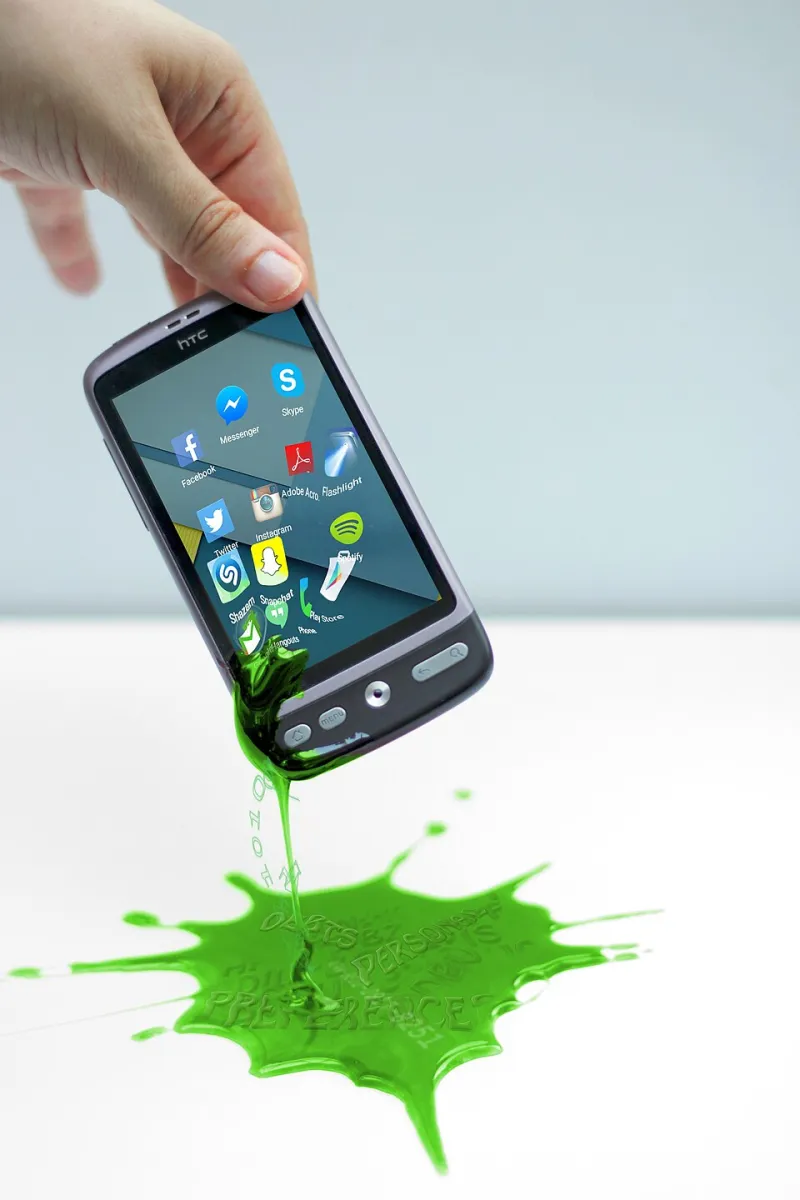
Photo: Stefan Nürnberger, CC BY-SA 4.0, via Wikimedia Commons
Let's be real for a second. When you download a free app, you're not getting something for nothing. Somewhere between tapping "Install" and opening the app for the first time, you've already agreed to hand over a slice of your digital life. The question most people never stop to ask is: how big a slice?
Free apps dominate the App Store and Google Play. They're convenient, they're accessible, and they cost exactly zero dollars upfront. But the business model powering most of them is built on something far more valuable than a $2.99 download fee — your behavioral data, location history, purchase intent, and personal habits.
This isn't a conspiracy theory. It's just how the modern app economy works. And once you understand the mechanics, you'll look at that little "Free" badge very differently.
The Data Collection Playbook: What's Actually Happening
Most free apps generate revenue through one or more of three core methods: in-app advertising, data licensing to third parties, and targeted marketing partnerships. To make any of these work, apps need data — and lots of it.
Here's what apps are typically collecting without you giving it much thought:
- Device identifiers (your phone's unique ID, advertising ID)
- Location data — sometimes down to precise GPS coordinates
- Usage patterns — how often you open the app, what you tap, how long you linger
- Contact lists and calendar data (if you've granted those permissions)
- Browsing and purchase behavior across other apps via cross-app tracking
- Health and fitness metrics if you've connected any wearables or granted health permissions
None of this is necessarily illegal. In most cases, it's buried somewhere in a privacy policy that runs longer than a college textbook and uses language designed to confuse rather than inform.
The Worst Offenders by App Category
Not all apps are equally aggressive about data collection. Here's a quick breakdown of the categories where your data is most actively harvested.
Social Media Apps
No surprise here — platforms like Instagram, TikTok, and Facebook are among the most data-hungry apps on any phone. They track what you watch, how long you pause on a post, who you interact with, and what you search. TikTok, in particular, has faced intense scrutiny from US lawmakers over its data practices and its ties to parent company ByteDance. Beyond the platform itself, these apps often embed third-party SDKs (software development kits) that phone home to advertisers even when you're not actively using the app.
Fitness and Health Apps
Fitness apps collect some of the most sensitive data imaginable — menstrual cycles, sleep patterns, heart rate, weight, and mental health check-ins. Apps like MyFitnessPal have previously disclosed data breaches affecting hundreds of millions of users. Others have been found sharing health data with advertisers in ways users never anticipated. The Federal Trade Commission has started cracking down on some of these practices, but enforcement remains inconsistent.
Weather Apps
This one surprises people. Weather apps are among the most notorious location data collectors in the entire app ecosystem. To give you a forecast, they need your location — that part makes sense. But many weather apps share or sell that location data to third-party data brokers who build detailed movement profiles. The Weather Channel app, owned by IBM, faced a lawsuit from the city of Los Angeles back in 2019 over exactly this kind of undisclosed data sharing.
Shopping and Retail Apps
Retail apps track your browsing behavior, wish lists, cart activity, and purchase history. Many use a technique called "cross-device tracking" to follow you from your phone to your laptop to your smart TV. That pair of sneakers you looked at once? It's going to follow you across the internet for weeks. Apps from major retailers also frequently share purchase data with analytics firms that aggregate it with data from other sources to build comprehensive consumer profiles.
The Third-Party SDK Problem
Here's something most casual users don't know: the app you downloaded might not be the only software running on your device. Most apps are built using third-party SDKs — pre-built code libraries that add features like analytics, crash reporting, or ad serving. These SDKs are often operated by companies you've never heard of, and they can collect data independently of the app itself.
A single app might contain five, ten, or even twenty different SDKs, each with its own data collection agenda. When researchers at Oxford University analyzed over 900,000 Android apps, they found that the majority shared data with Google, and a significant portion also fed data to Facebook, Twitter, and various advertising networks — regardless of whether those brands were connected to the app at all.
What You Can Do About It
Okay, so the data economy is real and it's pervasive. Does that mean you should delete every free app on your phone and go live off the grid? Obviously not. But there are practical steps you can take to limit your exposure without sacrificing functionality.
Review app permissions regularly. On both iPhone and Android, you can go into your settings and review exactly what each app has access to. Location, microphone, contacts, camera — go through each one and ask yourself if the app genuinely needs that permission to function. A flashlight app doesn't need your location. A recipe app doesn't need your contacts.
Limit ad tracking. On iPhone, go to Settings > Privacy & Security > Tracking and toggle off "Allow Apps to Request to Track." On Android, you can reset or opt out of your advertising ID in the Google settings. These steps won't eliminate tracking entirely, but they reduce the effectiveness of cross-app behavioral targeting.
Read the nutrition label, not just the price tag. Apple's App Store now shows "Privacy Nutrition Labels" on every app listing, giving you a quick summary of what data the app collects and whether it's linked to your identity. Take thirty seconds to check before you install.
Consider paid alternatives. For apps you use daily — especially in health, productivity, and finance — a paid app with a clear privacy policy and no ad-based revenue model is often worth the few bucks. You're paying with money instead of data, and the trade-off is usually worth it.
Use a VPN with tracker blocking. Services like Mullvad, ProtonVPN, or even Apple's iCloud Private Relay can help mask your network activity and block known tracking domains at the connection level.
The Bigger Picture
The free app economy isn't going away. Developers need to make money, and advertising-based models have funded some genuinely useful tools that billions of people rely on every day. The problem isn't that data collection exists — it's that it happens largely in the shadows, without meaningful consent or transparency.
As US regulators slowly catch up with the realities of the mobile ecosystem, and as consumer awareness grows, there's pressure on developers and platforms to do better. The American Data Privacy and Protection Act has been discussed at the federal level, though comprehensive national privacy legislation remains a work in progress.
In the meantime, the best defense is an informed one. Understanding what free really costs puts you back in the driver's seat — and in the mobile app universe, that kind of control is worth more than any free download.