Build It, Launch It, Profit: The Indie Developer's No-Fluff Roadmap to a Revenue-Generating App
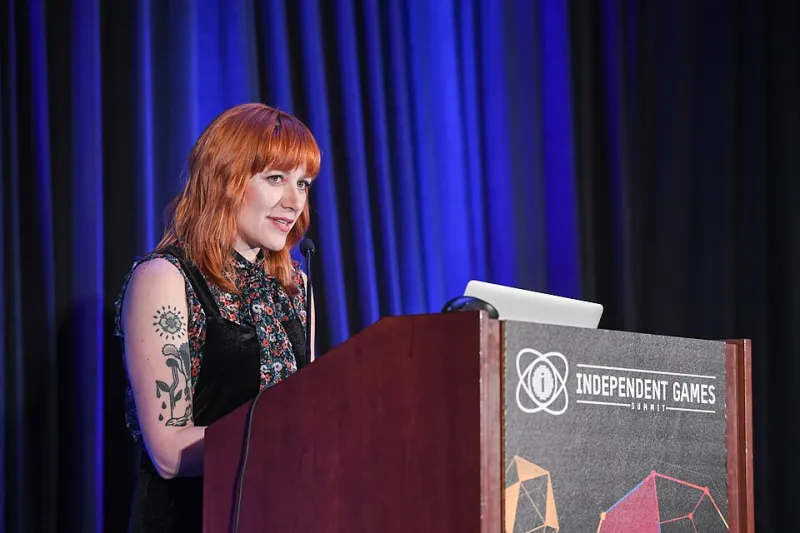
Photo: Official GDC, CC BY 2.0, via Wikimedia Commons
Everybody's got an app idea. The guy at your office who keeps saying "someone should build an app for that" — yeah, he's got one. Your cousin who's been "almost done" with her prototype for three years? Her too. The difference between people who talk about building apps and people who actually generate income from them isn't talent, funding, or even technical skill. It's process.
This guide is for the developer who's serious about turning a side project into a sustainable revenue stream. Whether you're a solo coder grinding after your day job or a small team of two or three with a shared Figma board and a Slack channel, the fundamentals are the same. Let's get into it.
Step One: Validate Before You Build a Single Line of Code
This is where most indie developers blow it. They spend six months building something beautiful, launch it, and discover that nobody actually wanted it. Validation isn't glamorous, but it's the single most important thing you can do before writing any code.
Start with the problem, not the solution. The best apps solve a specific, recurring frustration for a clearly defined group of people. Don't ask yourself "what app can I build?" Ask "what genuinely annoys a group of people that I can actually reach?"
Talk to real humans. Post in Reddit communities, Facebook groups, or niche Discord servers relevant to your target audience. Ask open-ended questions about their pain points. You're not pitching your app yet — you're just listening. If you can get ten people to spend twenty minutes on a call with you describing a problem, you're already ahead of 90% of indie developers.
Build a fake door. Create a simple landing page describing your app's core value proposition and add an email sign-up or waitlist. Run a small amount of paid traffic to it — even $50 on Meta or Google Ads can tell you a lot. If people sign up, you've got signal. If nobody clicks, you've saved yourself months of wasted effort.
Check the competition. Competitors aren't bad news — they're proof of a market. Look at the reviews of existing apps in your category on the App Store or Google Play. The one-star and two-star reviews are a goldmine. They tell you exactly what users hate about current solutions, which is basically a feature roadmap handed to you for free.
Choosing Your Monetization Model: The Decision That Changes Everything
How you make money from your app shapes almost every other decision — your development priorities, your marketing approach, your user acquisition strategy. Get this wrong and even a great app can fail to generate meaningful income.
Subscriptions
Subscription models have become the gold standard for indie app revenue, and for good reason. Recurring revenue is predictable, it compounds over time, and it aligns your incentives with your users' long-term satisfaction. Apps like Bear (note-taking), Halide (camera), and Carrot Weather have all built loyal, paying user bases on subscription models.
The catch? Users have become more subscription-fatigued than ever. You need to deliver consistent, ongoing value to justify a monthly or annual charge. If your app's core utility is static — meaning it doesn't improve or add features regularly — a subscription can feel like a rip-off to users.
Best for: Productivity tools, content apps, health and wellness trackers, anything with ongoing data sync or cloud features.
One-Time Purchase
The classic paid app model has gotten harder to pull off in a market dominated by free apps, but it's far from dead. Developers like the team behind Monument Valley proved that premium pricing can work when the product experience is exceptional. The challenge is that paid apps get less discovery in app store algorithms, which tend to favor free apps with high download volume.
Best for: Games, creative tools, utilities with a clearly defined feature set, apps targeting professional users who understand value.
Freemium with In-App Purchases or Upgrades
This hybrid approach — free to download, paid to unlock — gives you the best of both worlds in theory. High download volume improves your app store ranking, and you only need a small percentage of users to convert to paying customers to generate solid revenue. The challenge is designing the free tier to be genuinely useful without giving away so much that nobody has a reason to upgrade.
Best for: Nearly any category, but especially games, fitness apps, and tools with tiered feature sets.
Advertising
Ad-supported models make sense when you're targeting a massive, general audience and your app generates lots of daily active usage. For most indie developers, though, the math is brutal — you need millions of impressions to generate meaningful ad revenue, and getting to that scale without a budget is a multi-year project. Unless ads are a secondary revenue stream on top of another model, this is usually not the right primary approach for small teams.
Realistic Timelines and Budgets
Let's talk numbers, because most guides skip this part and leave developers with wildly unrealistic expectations.
For a solo developer building a relatively straightforward app (think: a focused productivity tool or a niche utility), a realistic timeline from idea to launch is four to nine months if you're working on it part-time. Full-time, you might compress that to two or three months for an MVP.
Budget-wise, here's a rough breakdown for a solo indie developer in the US:
- Apple Developer Program: $99/year
- Google Play Developer Account: $25 one-time
- Design tools (Figma): Free to ~$15/month
- Backend/hosting (Firebase, Supabase, etc.): Free tier to ~$25/month to start
- App Store Optimization tools: $0–$50/month
- Marketing and user acquisition: This is the wildcard. Budget at least $500–$1,000 for initial launch marketing if you have it.
Total startup cost for a lean indie launch? Realistically $500 to $2,500 if you're doing most of the work yourself.
Real-World Inspiration: Indie Apps That Made It Work
Carrot Weather — Developed initially by a solo developer, this snarky weather app built a devoted following through personality and humor, then layered in a subscription model. It's now a top-grossing weather app with a small team.
Overcast — Marco Arment built this podcast app solo and has generated consistent revenue through a freemium model. It's a masterclass in focused feature design and clear monetization.
Widgetsmith — David Smith, a well-known indie developer, launched this customizable widget app shortly after Apple introduced home screen widgets in iOS 14. He moved fast, rode a trend, and reportedly hit millions of downloads within weeks.
The common thread? Each developer identified a specific audience, built something genuinely useful, and chose a monetization model that fit their users' expectations.
Launch Strategy: Don't Just Submit and Pray
Submitting your app to the App Store and hoping for organic discovery is not a launch strategy. Here's what actually moves the needle:
- Build an audience before launch. Start posting on Twitter/X, TikTok, or relevant subreddits months before you ship. Document the build process. People love following along.
- Reach out to app review sites — including AppVah — and tech newsletters in your niche. A single mention in the right place can drive hundreds of downloads.
- Nail your App Store listing. Your screenshots, preview video, and description are your storefront. Spend real time on them. Use tools like AppFollow or Sensor Tower to research keywords.
- Launch with a limited-time offer. A discounted first month or a free trial with a clear conversion prompt gives new users a low-risk reason to try the paid tier.
The Long Game
Most successful indie apps don't blow up overnight. They grow steadily through word of mouth, consistent updates, and genuine community engagement. The developers who make it work treat their app like a product business, not a lottery ticket.
If you're willing to validate before you build, choose a monetization model that fits your market, and invest in launch marketing even on a tight budget, you've got a real shot. The mobile app universe is big, and there's still plenty of room for smart, focused indie developers to carve out a profitable corner of it.